Laser Cutting on Acrylic Materials

Your guide to keeping air clean after laser cutting and engraving on acrylic materials.

What is laser cutting? 

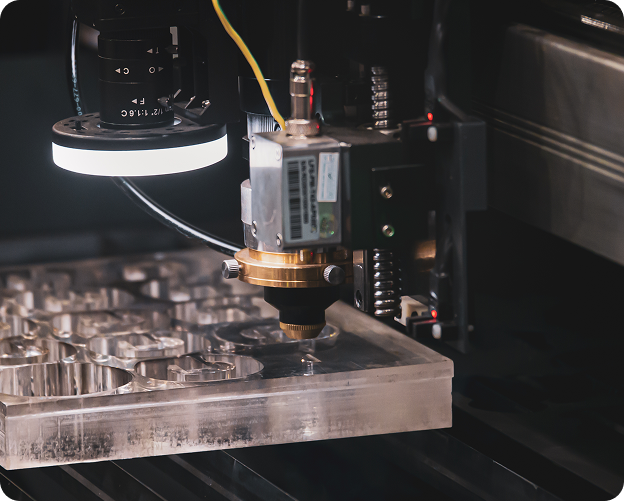
Laser cutting and engraving are processes that use a laser beam to create a surface-level design into a piece of wood, metal, glass, leather, or acrylic. Depending on the type of the material, manufacturers can choose from different types of laser beams and machines, and the designs are created by cutting or melting the materials.

Why use acrylic for laser cutting?

Acrylic is a popular material for laser cutting and engraving because it’s extremely strong, but also very durable. It also comes in a lot of different colors and finishes, so the creativity and possibilities are endless when it comes to creating things like LED signs, keychains, and pieces of art.


It’s a precise and fun process, but it can also bring a few risks to a workspace and to the person fabricating the acrylic materials. Thankfully, there are ways to mitigate the risks and enjoy laser cutting and engraving safely. 

Keeping a Workplace Safe during Laser Cutting

Here are a few tips and tools for remaining safe and keeping your environment healthy as you laser cut and engrave acrylic materials:

Ventilation

Acrylic material can release gases from the melting process for up to 24 hours after it has been cut or engraved. Powerful extraction tools are needed to remove volatile organic compounds that irritate workers’ eyes and lungs. 

Heat Protection

Since you’re dealing with laser beams and melting materials, wearing safety glasses to protect from UV/Radiation is important. You also want to keep a fire extinguisher nearby, and wear gloves if you’ll be handling hot materials. 

Fume Control

A lot of manufacturers will use filters to manage fumes, but acrylic fumes are especially strong. In addition to clean air, people often want a solution for the strong odor acrylic emits. Choosing the right fume extractor for your shop’s size, your acrylic materials, and the volume of products you’re creating is key.

Material Selection

Check manufacturer specs to ensure you’re using pure acrylic and avoiding materials that release dangerous, toxic fumes such as ABS, PVC, or polycarbonate. 

There are two ways to capture these fumes:

1. You can use a fume extractor at the base of the laser machine.


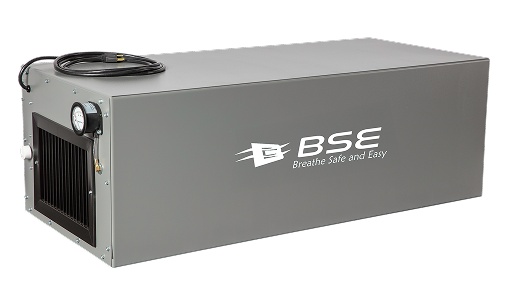
2. You can capture excess off-gassing. This is the process the BSE ambient air products do really well.

The ideal ventilation system would include a first line of defense that captures contaminated air at the first process, and then have a second line of defense to capture off-gasing. This way, you capture fumes at the source.


This process would need both a fume extractor and an ambient air product to capture fumes at the base, and excess in the air.


But not all applications make sense for that, so an ambient air filtration system may be the most effective ventilation approach on its own.

How can BSE Inc. help you improve your ambient air?

We specialize in ambient air solutions, which means we help ensure that the natural air’s odors, moisture, oils, and pollutants that enter into your facility remain under control, so they don’t affect how your laser machine operates.


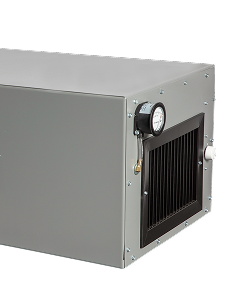
We offer ambient air units made especially for acrylic processing. They come equipped with carbon filtration that helps with strong fumes you see with laser acrylic cutting, all of our units are compatible with carbon filtration, and changing the filter is easy.


Our disposable filters are easy to service and provide for simple, low-cost maintenance.
Discover our full line of Ambient Air Products

Check out our AIRPRO-CB

Connect With Our Team

Our team would love to help you create a safe, healthy environment for your employees and a clean facility for better machines and products. 

Reach out to make breathing and working easier.