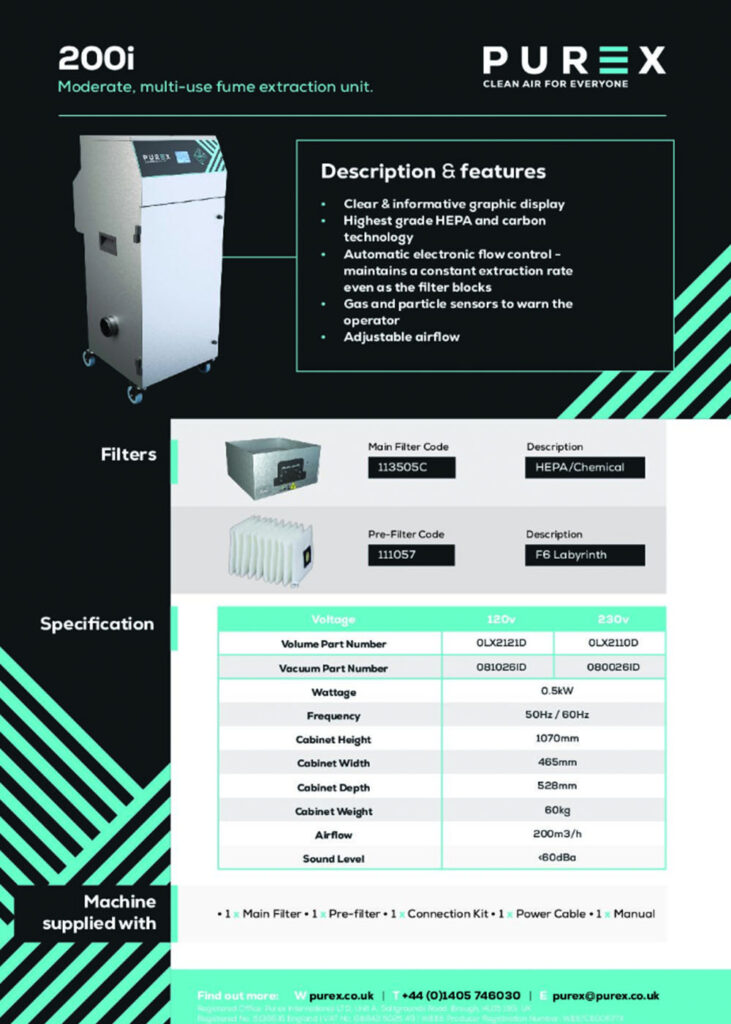
What is Fume Extraction for Electronics and Industrial Applications?
Fume extraction is the process of capturing airborne contaminants at the source and removing them before they spread through the workspace. These contaminants can include particulates, vapors, gases, solvents, metal fumes, chemical residues, and VOCs produced by common manufacturing processes.
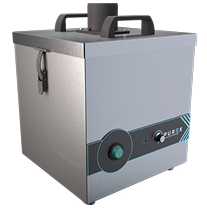
Fume extraction for electronics and industrial applications is an effective system:
- Pulls fumes away from operators and equipment
- Filters harmful substances using specialized media (HEPA, carbon, multi-stage filters)
- Returns clean air to the workspace or exhausts it safely
- Maintains air quality required for safety, product integrity, and regulatory compliance
Why Electronics and Industrial Applications Need Different Solutions
Although both environments generate harmful fumes, their system requirements differ based on production methods, sensitivity of components, and regulatory expectations.
Electronics applications often involve delicate parts, precision assembly, and small workstations. These environments require:
- Lower airflow to avoid disturbing lightweight components
- Quiet, compact systems that fit at or near the bench
- High-efficiency filtration capable of capturing fine particulates and VOCs
- Minimal vibration and consistent airflow
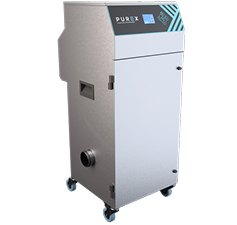
Industrial applications deal with larger operations and higher volumes of fumes. They require:
- Greater airflow to capture welding smoke, machining fumes, or solvent vapors
- Durable, high-capacity filtration systems
- Continuous-duty operation
- Compatibility with ducting and multi-station layouts
Understanding these differences ensures systems are tailored to the environment — not simply “fitted in.”
Common Fume Sources in Electronics Manufacturing
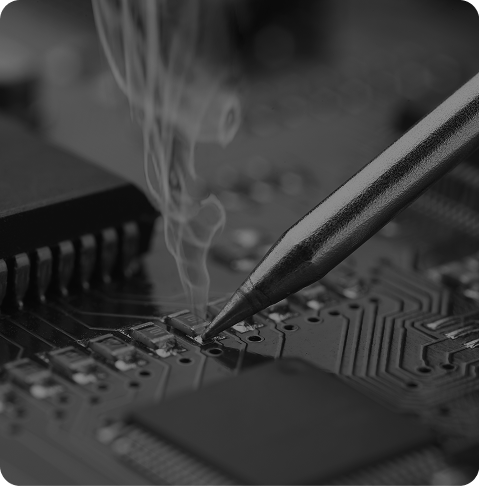
Electronics production includes precision work that generates a range of airborne contaminants. Common sources include:
Soldering and Reflow Processes
Conformal Coating and Adhesives
Laser Cutting and Marking of PCB Materials
Cleaning Agents and Solvents
Fume Extraction Requirements in Industrial Applications
Industrial environments typically involve higher heat, higher volumes of fume, and broader work areas. Common sources include:
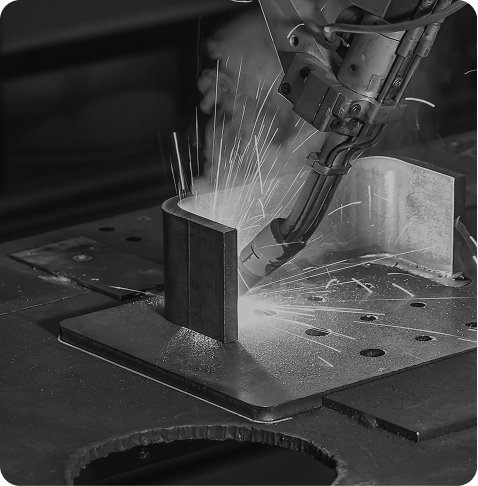
Welding and Metal Fabrication
Welding fumes contain metal oxides and gases that require specialized, multi-stage filtration and strong capture velocity.
Plasma Cutting, Grinding, and Machining
These processes generate a blend of fumes and particulates, demanding high CFM extraction systems.
Paints, Coatings, and Solvents
VOC-heavy processes require carbon filtration and, in some cases, a combination of source and ambient capture.
Thermal Processing and Chemical Handling
High-temperature applications may produce corrosive or hazardous fumes needing specialty filter media.
Industrial extraction systems must be durable, continuous-duty, and capable of handling wide-ranging contaminants without sacrificing performance.
How to Choose the Right Fume Extraction System
The right system depends on process type, workspace constraints, regulatory demands, and performance expectations. Key considerations include:
1. Identify the type of fumes generated
Are they particulate, vapor, chemical, solvent-based, or mixed?
2. Determine airflow requirements
Electronics may need lower airflow for precision work; industrial environments typically need higher capture velocity.
3. Decide between source capture and ambient control
- Source capture is ideal for soldering, welding, and coating processes.
- Ambient capture improves overall air quality in larger or multi-use spaces.
4. Match filter media to the contaminant
- HEPA for ultrafine particles
- Activated carbon for odors and VOCs
- Specialty filters for corrosive or chemical fumes
5. Consider system footprint, noise, and integration
Systems must work with existing equipment, not compete with it.
Selecting the wrong system can result in poor capture efficiency, excessive noise, higher maintenance costs, or compliance issues.